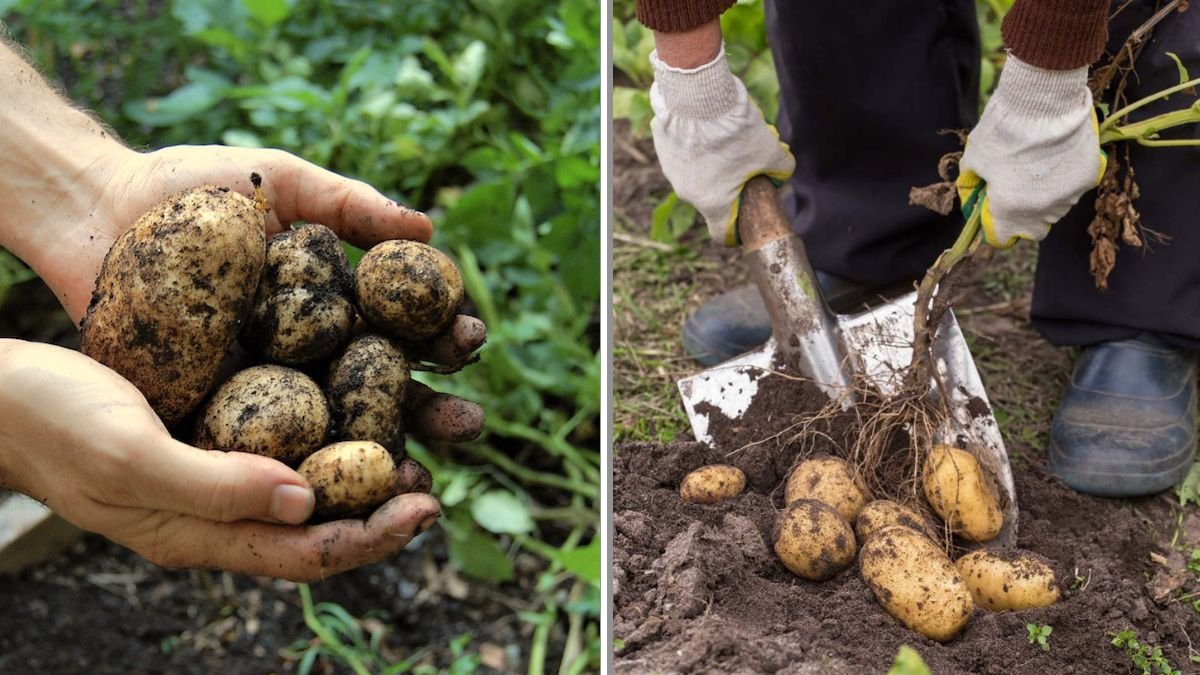
At the end of a growing season, many gardeners face the same question: what should be done with the plants that have finished producing? While the obvious solution seems to be pulling them up and tossing them into compost, there is growing interest in an alternative approach—leaving roots in the soil after harvesting. This practice is not just about saving labor; it carries ecological and soil-health benefits that can improve long-term fertility and sustainability.
In this article, we’ll explore why some gardeners and farmers recommend leaving roots in place, the science behind how it impacts soil ecosystems, when and when not to use this method, and practical tips for applying it in your own garden.
The Traditional Approach: Pulling Out Roots
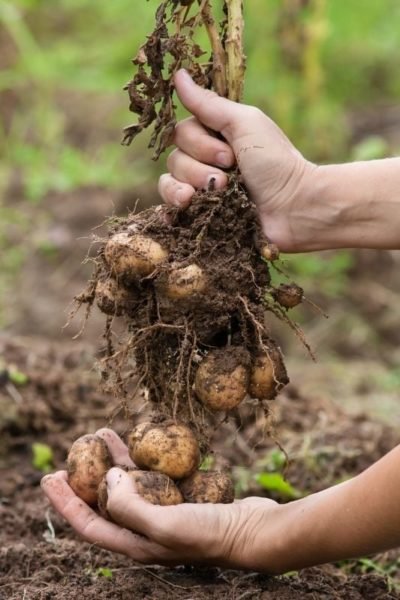
Traditionally, gardeners remove entire plants at the end of the season. The above-ground parts often go into compost piles, while roots are either discarded or left to dry out. The reasoning is straightforward: removing plant material eliminates possible disease pathogens and makes way for new crops. However, this method also disturbs the soil structure, disrupts beneficial organisms, and removes potential organic matter that could otherwise enrich the soil.

Why Consider Leaving Roots in the Soil?
When roots are left in the ground, they continue to benefit the soil in several ways:
- Soil Structure Improvement – Roots create channels in the soil. When they decompose, these channels improve aeration and water infiltration. This is particularly helpful in heavy clay soils.
- Organic Matter Contribution – Decaying roots release carbon and nutrients back into the soil, improving fertility for future crops. This process is slow and steady, unlike applying fertilizers that can leach away quickly.
- Microbial Habitat – Soil microbes thrive on root exudates and decaying plant material. Healthy microbial communities are essential for nutrient cycling and disease suppression.
- Carbon Sequestration – Leaving roots contributes to carbon storage in the soil, an environmentally significant practice in mitigating climate change.
- Less Soil Disturbance – Pulling plants up can disturb soil layers, bringing dormant weed seeds to the surface. Leaving roots intact helps maintain soil stability.
The Science Behind Root Decomposition
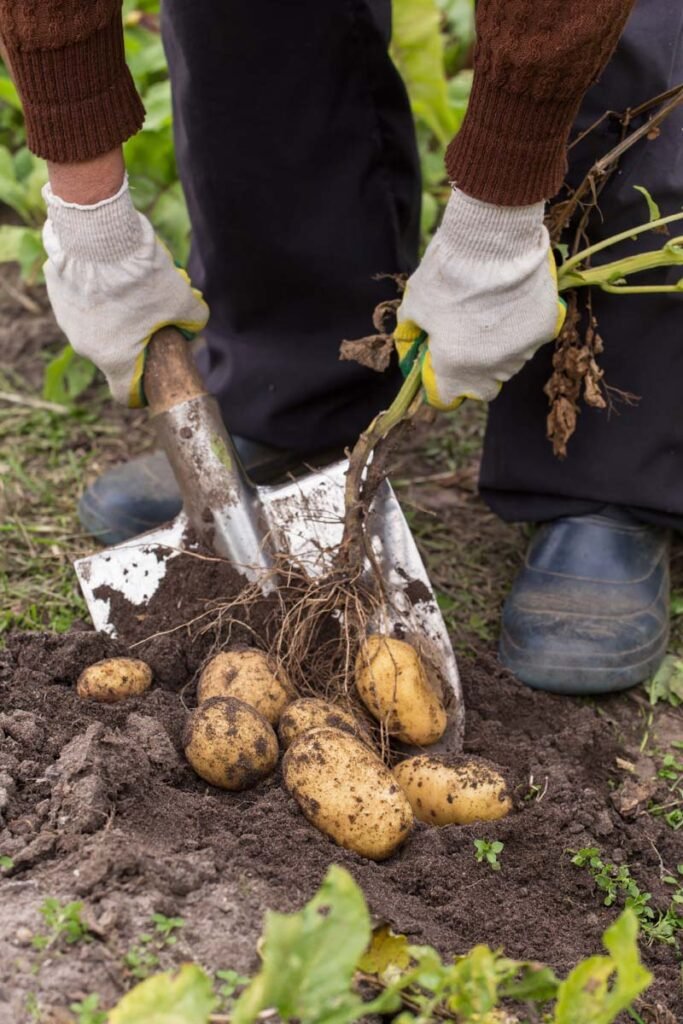
Roots are made up of lignin, cellulose, and other organic compounds. When left in the soil, microbes, fungi, and earthworms break them down into humus. During decomposition:
- Nitrogen, phosphorus, and potassium bound in roots are released gradually.
- Mycorrhizal fungi networks often remain connected to old roots, which can benefit subsequent plants.
- Soil aggregation is improved, reducing erosion and compaction.
Research in soil ecology shows that below-ground biomass (roots) contributes more long-lasting organic matter than above-ground biomass (stems and leaves). Thus, roots play an outsized role in building soil fertility.

When You Should Leave Roots in the Soil
Leaving roots isn’t always the right choice, but in many situations, it offers clear advantages.
- Healthy Plants: If the plant was free of disease, its roots are safe to leave behind.
- Cover Crops: Crops like clover or rye are often cut back while roots are left to enrich the soil.
- Annual Vegetables: Tomatoes, beans, peas, and peppers can often have roots left to decompose naturally.
- Pollinator-Friendly Practices: Some perennials, when cut back at ground level, allow roots to persist and benefit the surrounding ecosystem.
When You Should Remove Roots
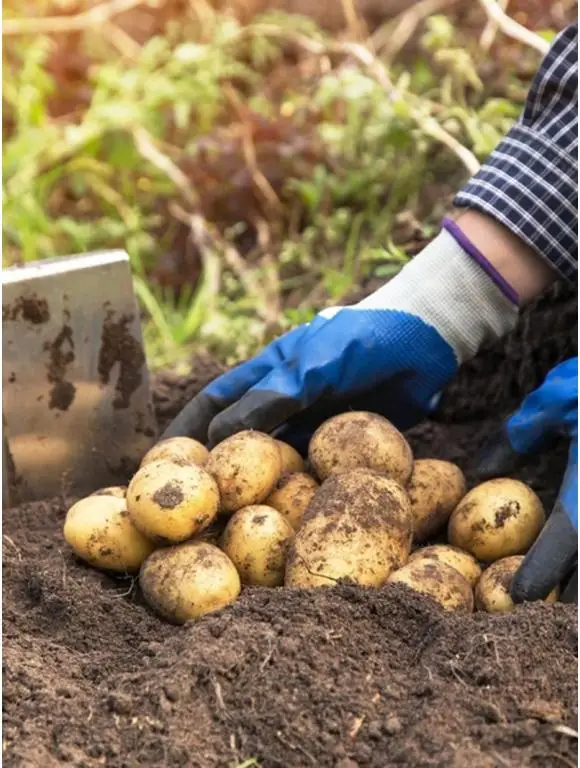
There are circumstances where pulling roots is the safer choice:
- Diseased Plants: If the plant suffered from root rot, nematodes, blight, or fungal infections, leaving roots may spread the problem.
- Perennial Weeds: Weedy species like bindweed or quackgrass can regrow from roots. These should always be removed.
- Root Vegetables: Crops like carrots, beets, and radishes are harvested by pulling the root itself, leaving little behind.
- Heavy Compaction: In very compacted soil, decaying roots may not improve structure effectively, so amendments may be necessary.
Practical Tips for Leaving Roots in Place
- Cut Plants at Soil Level – Instead of pulling, cut plants at the base. This preserves root systems without leaving messy stalks above ground.
- Add Mulch – Covering the soil with mulch helps regulate moisture and speeds decomposition of the roots below.
- Rotate Crops – Even when leaving roots, practice crop rotation to avoid pest and disease buildup.
- Monitor Soil Health – Observe whether decomposition is occurring properly. If roots remain hard and undecomposed after several months, soil biology may need boosting through compost or organic matter.
- Use Companion Planting – When intercropping, cutting old plants but leaving their roots can give new crops a head start with enriched soil.
Examples of Root Benefits by Crop
- Legumes (Beans, Peas): Their roots host nitrogen-fixing bacteria. Leaving them enriches the soil with nitrogen for future crops.
- Brassicas (Kale, Cabbage): Fibrous roots break down into organic matter quickly, supporting microbial life.
- Corn and Sunflowers: Large, deep roots create tunnels for water infiltration and loosen compacted layers.
- Tomatoes and Peppers: Woody roots provide carbon-rich material for long-term fertility.
Integrating Roots into Sustainable Gardening
The concept of leaving roots in the soil aligns with broader sustainable practices such as:

- No-Till Gardening: Minimizing soil disturbance preserves structure and biodiversity.
- Permaculture Design: Encourages working with natural cycles rather than against them.
- Regenerative Agriculture: Builds soil health through organic matter accumulation and carbon storage.
By seeing roots not as waste but as valuable resources, gardeners take a step toward regenerative systems that mimic natural ecosystems.
Potential Challenges and How to Overcome Them
- Pest Issues: Decaying roots may occasionally harbor pests. This can be mitigated with crop rotation and beneficial nematodes.
- Aesthetic Concerns: Some gardeners prefer “clean” beds. Cutting plants low and covering with mulch solves this issue.
- Timing: In cold climates, decomposition slows in winter. Roots will still break down in spring when microbial activity resumes.
Conclusion
So, should you leave roots in the soil after harvesting? In most cases, yes. As long as the plants were healthy and free of persistent weeds, leaving roots behind enriches soil fertility, enhances microbial life, and improves soil structure. It is a practice that supports sustainable, low-maintenance gardening while reducing waste.
By adopting this approach, you not only save time and effort but also invest in the long-term health of your garden. The next time you harvest, consider leaving roots in place—you may find that what lies beneath is just as valuable as the crops above.